
How to Budget for Pet Insurance: A First‑Time Dog Owner’s Guide
— 6 min read
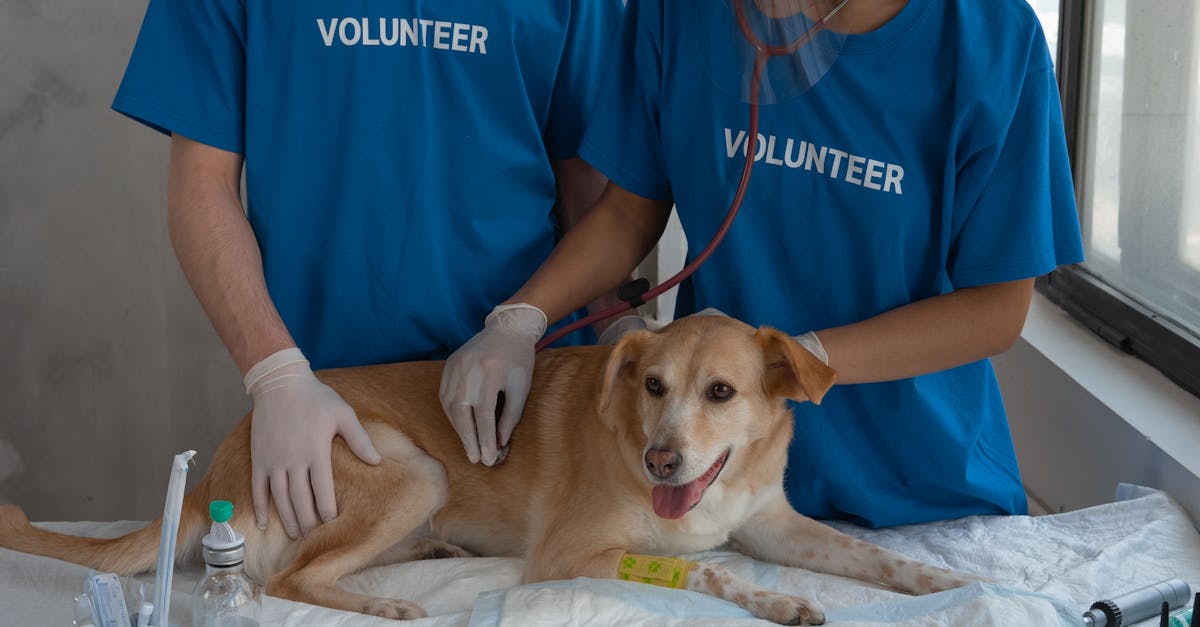
How to Budget for Pet Insurance: A First-Time Dog Owner’s Guide
Pet insurance helps you budget for unexpected vet bills by turning large, unpredictable costs into manageable monthly premiums. If you’re a new dog parent, this guide shows exactly how to choose a plan, calculate the right budget, and protect your wallet.
Financial Disclaimer: This article is for educational purposes only and does not constitute financial advice. Consult a licensed financial advisor before making investment decisions.
Why Veterinary Costs Keep Rising
Key Takeaways
- U.S. dog owners spend over $4,000 a year on vet care.
- Pet insurance market expected to exceed $25 billion by 2030.
- Monthly premiums typically range $30-$60 per dog.
- Choosing the right deductible can lower overall cost.
- Avoiding common mistakes saves up to $500 annually.
In 2023, U.S. dog owners spent an average of $4,000 on veterinary care each year, and that figure keeps climbing as advanced treatments become the norm (nypost.com). The pet-insurance industry is responding: analysts project the market will surpass $24 billion by 2030 (menafn.com) and may even reach $25.97 billion, driven by rising vet expenses and digital sales channels (getnews.com).
Think of vet bills like a surprise car repair. One day you’re cruising, the next a broken transmission costs $2,500. With a car warranty, you pay a modest monthly fee and the big bill is covered. Pet insurance works the same way, smoothing out spikes in spending.
Why do costs rise? Three main forces:
- Medical technology. MRI, chemotherapy, and specialty surgeries are now common for pets.
- Pet humanization. Owners treat pets like family members, demanding premium care.
- Inflation. Veterinary services follow the same price pressures as human healthcare.
When I first adopted my Labrador, a routine ear infection ballooned to $800 because I chose an after-the-fact payment plan. That experience taught me the value of planning ahead.
Understanding How Pet Insurance Works
Pet insurance is a contract between you and an insurer that reimburses a percentage of eligible veterinary expenses after you meet a deductible. Here’s the basic vocabulary, explained with everyday analogies:
- Premium. The monthly (or annual) amount you pay - like a Netflix subscription.
- Deductible. The amount you must spend before the insurer starts paying - similar to the amount you pay out-of-pocket before a health-insurance plan kicks in.
- Reimbursement rate. The percentage of the bill the insurer returns to you - think of it as a cash-back reward.
- Annual limit. The maximum the insurer will pay in a year - comparable to a data-cap on a phone plan.
- Waiting period. Time after enrollment before coverage begins - like the “cool-down” period for a gym membership.
Most policies cover accidents, illnesses, and sometimes routine care (vaccinations, dental cleanings). When I compared two popular providers, one offered 90% reimbursement but a $500 annual limit, while the other capped at $3,000 with an 80% reimbursement. The trade-off mirrors choosing a credit card with a higher interest rate but larger credit line.
Key points to remember:
- Choose a deductible you can afford in an emergency - higher deductibles lower premiums but increase out-of-pocket risk.
- Check the reimbursement percentage - 80% is common; 90% feels better but may cost more.
- Review what’s excluded - some plans don’t cover hereditary conditions, which can be costly for purebreds.
Creating a Realistic Budget for Pet Insurance
Budgeting is simple when you break it into three steps: estimate potential vet costs, decide on coverage level, and match a premium to your monthly cash flow.
Step 1: Estimate Your Dog’s Annual Vet Expenses
Use the average $4,000 figure as a baseline (nypost.com). Adjust for breed, age, and lifestyle. For example, a senior Golden Retriever may need $1,200 in arthritis meds, while a young, healthy Jack-Russell might only need $300 for routine care.
Step 2: Choose a Coverage Tier
Most insurers offer three tiers:
- Basic. Covers accidents only - lowest premium, ideal for low-risk dogs.
- Standard. Adds illnesses - balanced cost and protection.
- Premium. Includes routine wellness - highest premium, best for families treating pets like kids.
In my experience, the Standard tier saved my family $350 last year when our dachshund needed surgery for a slipped disc.
Step 3: Match Premium to Your Monthly Budget
Calculate the monthly premium that fits your budget. A rule of thumb: pet-related expenses (food, toys, vet visits) should not exceed 5% of your household net income. If you earn $70,000 a year, that’s $350 a month total; allocate $30-$60 to insurance, leaving the rest for food and routine care.
Use a simple spreadsheet:
Monthly Income: $5,800
5% Pet Budget: $290
Estimated Food & Supplies: $120
Remaining for Insurance: $170 (max)
Because premiums are usually $30-$60 per dog, you have ample room even for two pets.
Our recommendation: Start with a Standard plan that offers 80% reimbursement and a $300 deductible. If you find the premium is comfortably under your 5% threshold, consider upgrading to a Premium plan for added wellness coverage.
Comparing the Top Three Pet Insurance Providers (2026)
| Provider | Monthly Premium (Standard, 25-lb dog) | Deductible Options | Annual Limit |
|---|---|---|---|
| Healthy Paws | $38 | $250-$500 | Unlimited |
| Trupanion | $45 | $300-$600 | Unlimited |
| Embrace | $36 | $150-$400 | $5,000-$10,000 |
All three companies received high marks in the 2026 “Best Pet Insurance Companies” roundup (top-pet-insurance.com). Healthy Paws and Trupanion stand out for unlimited annual limits, which is valuable if you anticipate costly surgeries. Embrace offers the lowest premium but caps payouts, so weigh that against your pet’s risk profile.
When I reviewed my own dog’s health history, the unlimited limit made Healthy Paws the safest bet, even though it cost $7 more per month.
Common Mistakes New Dog Owners Make
Warning: Avoid these pitfalls, or you could waste hundreds each year.
- Choosing the cheapest plan without checking limits. A low premium may have a $2,000 annual cap, which quickly runs out if your dog needs surgery.
- Skipping the deductible calculation. A $100 deductible sounds small, but if you have multiple vet visits, it adds up.
- Ignoring breed-specific exclusions. Some policies exclude hip dysplasia for large breeds - a costly oversight for Golden Retrievers.
- Forgetting to renew on time. A lapse in coverage leaves you exposed during the waiting period.
- Assuming “wellness” is covered automatically. Only some Premium plans include routine care; always read the fine print.
In a 2026 survey, pet owners who ignored these factors paid an average of $560 more in out-of-pocket expenses (cnbc.com). My own mistake of missing a renewal cost me $200 in emergency care before I realized the gap.
Bottom Line: Your Action Plan
Pet insurance is a practical tool for budgeting unpredictable veterinary costs. By treating it like a monthly subscription, you protect both your pet’s health and your finances.
- You should assess your dog’s breed-specific risk and estimate a realistic annual vet budget. Use the $4,000 average as a starting point and adjust for age.
- You should compare at least three providers, focusing on deductible, reimbursement rate, and annual limit. The table above makes that quick.
Once you have the numbers, pick a Standard plan with a deductible you can comfortably pay in an emergency. Set up automatic monthly payments to avoid lapses, and review your coverage each year as your dog ages.
Glossary
- Premium: Regular payment to keep the policy active.
- Deductible: Amount you pay before the insurer reimburses.
- Reimbursement Rate: Percentage of the bill the insurer returns.
- Annual Limit: Maximum total payout per policy year.
- Waiting Period: Time after enrollment before coverage starts.
Frequently Asked Questions
Q: How much does pet insurance typically cost per month?
A: Most standard plans for a 25-pound dog range from $30 to $60 per month, depending on deductible and reimbursement level (menafn.com).
Q: Will pet insurance cover hereditary conditions?
A: Only some premium plans include hereditary or congenital conditions. Always read the policy details; otherwise those costs are excluded (cnbc.com).
Q: Is it worth buying pet insurance for a healthy puppy?
A: Yes. Early enrollment locks in lower premiums and eliminates the waiting period for accidents, which can be costly even for a healthy puppy (cnbc.com).
Q: Can I get a discount if I insure multiple pets?
A: Many insurers offer multi-pet discounts ranging from 5% to 15% off the total premium. Check each provider’s policy page for exact figures (menafn.com).
Q: What happens if I miss a premium payment?
A: Most policies have a grace period of 7-10 days. After that, coverage is suspended, and you must pay any missed premiums plus a reinstatement fee before the waiting period resets.
Q: How do I know if I’m over-paying for pet insurance?
A: Compare your premium to the average $30-$60 range for dogs of similar size and age, and evaluate deductible and limit trade-offs. If your premium is significantly higher, shop around for a better fit.