
How Much Does Emergency Vet Care Really Cost for a Senior Dog? A Step‑by‑Step Breakdown
— 8 min read
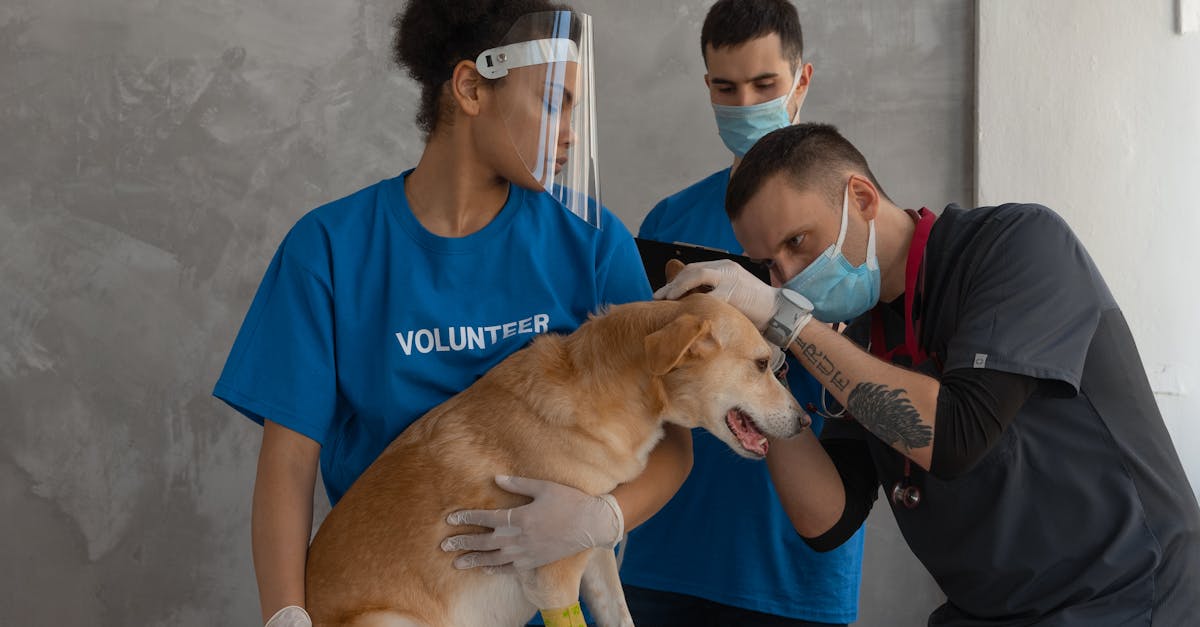
Imagine it’s a rainy Thursday in 2024 and your 12-year-old Labrador, Max, suddenly starts panting heavily and refuses his favorite kibble. Your heart races, and the first thought that pops into your head is, “How much will this emergency visit cost?” You’re not alone - many pet parents feel the same knot of anxiety when a senior dog needs urgent care. This guide walks you through every line item you’ll encounter on the bill, explains why each charge exists, and offers practical tricks to keep the total from spiraling out of control.
Medical Disclaimer: This article is for informational purposes only and does not constitute medical advice. Always consult a qualified healthcare professional before making health decisions.
1. The Initial Check-In: What’s Really Included?
When you walk your senior dog into an emergency clinic, the first line item you see is often the check-in fee. This fee covers the receptionist’s time, registration, and basic record handling. It does not include the veterinarian’s examination, which is billed separately.
For example, a typical front-desk fee ranges from $25 to $45 at most urban clinics. The actual exam, where the vet listens to the heart, checks reflexes, and asks you about recent changes, is usually billed between $80 and $120. If the vet performs a brief oral exam only, the charge may sit at the lower end; a full systemic exam pushes the cost higher.
Senior dogs often require a wellness exam that includes age-specific screening. Many owners assume this is part of the “check-up,” but clinics differentiate a routine wellness exam (often bundled in a preventive package) from an emergency evaluation. The latter may trigger extra charges for rapid lab draws, immediate imaging, or urgent medication administration.
Think of the check-in fee as the toll you pay to get onto a highway; the actual mileage - represented by the vet’s exam - gets billed separately. Because senior pets can have hidden health issues, veterinarians may spend extra minutes reviewing medical history, which can bump the exam cost toward the top of the range.
Key Takeaways
- Front-desk fees are separate from the veterinarian’s exam.
- Expect $80-$120 for the actual exam during an emergency visit.
- Wellness exams and emergency exams are billed differently.
- Senior dogs may need additional screening that adds to the total.
Common Mistake: Assuming the check-in fee covers the entire visit. This often leads to surprise when the final bill arrives.
Now that we’ve cleared up the front-door costs, let’s peek under the hood and see why lab work can quickly become a major line item.
2. Lab Tests That Add Up
Lab work is the backbone of diagnosing acute problems in older dogs. Each specimen - blood, urine, or feces - is usually charged per tube or container. A single blood draw can cost $30 to $45, while a urine sample collection may add $20.
Beyond the basic chemistry panel, senior dogs frequently require a comprehensive metabolic panel (CMP) and a complete blood count (CBC). According to the American Veterinary Medical Association, a CMP averages $95, and a CBC averages $85. If the vet orders a specific disease panel, such as a heartworm test ($45) or a thyroid panel ($110), the cost climbs quickly.
Repeat testing is common when a condition is evolving. For instance, a dog with suspected kidney failure may need a recheck CMP in 48 hours, adding another $95. Clinics often bundle individual tests into a “panel” to reduce paperwork, but the price still reflects the sum of each component.
Picture a senior dog’s bloodwork like a multi-tool: the more functions you need, the pricier the tool becomes. Some owners opt for a “just the basics” approach, but missing a crucial marker can delay treatment, ultimately costing more in the long run.
Tip: Ask the clinic to provide an itemized estimate before samples are taken. Knowing which panels are essential can prevent unnecessary charges.
Common Mistake: Assuming a single lab fee covers all required tests. Each additional panel is an extra line item.
With lab results in hand, the next logical step is visualizing what’s happening inside your dog’s body. Let’s explore the world of imaging.
3. Imaging & Diagnostics
Imaging helps pinpoint internal injuries, fractures, or organ abnormalities that are invisible during a physical exam. Most clinics charge per view. A single abdominal X-ray typically costs $150, while a thoracic X-ray can be $130.
When multiple views are needed - such as three-view abdominal series - the price rises to $350. Ultrasound is another common tool for senior dogs with abdominal pain; the average cost is $275 per session. If the vet requires a CT scan or MRI, which are less common in general practice, the fees can exceed $1,000 per scan.
Some imaging procedures require anesthesia to keep the dog still. Anesthesia adds a separate charge, usually $100 to $150, plus monitoring fees. Contrast agents, used to enhance vascular structures during CT, add another $75 to $120.
Think of imaging like taking a snapshot of a hidden room in a house. If the room is dark (the dog is moving), you need to turn on the lights (anesthesia) and perhaps use a flash (contrast) to see the details clearly. Each extra step adds to the price tag.
Example: A senior dog with suspected pancreatitis might receive an abdominal X-ray ($150), an ultrasound ($275), and a contrast-enhanced CT ($1,050). The imaging subtotal alone reaches $1,475.
Common Mistake: Not asking whether anesthesia or contrast will be required before imaging. Those add-ons can double the imaging bill.
Imaging gives us a picture, but treatment still needs the right tools - namely, medications. Let’s see how drug costs can add up.
4. Medications & Treatments
Prescription drugs for older dogs often cost more than those for younger pets because dosages are tailored to weight and organ function. A standard anti-inflammatory such as carprofen may be $12 for a 30-day supply, but a senior-specific formulation can be $28.
Specialty medications - like heart failure drugs (e.g., pimobendan) or seizure control (e.g., phenobarbital) - average $45 to $80 per month. If the emergency visit requires a short-term IV antibiotic drip, clinics typically charge $50 for the drug plus $30 for the infusion set.
Refill fees are another hidden expense. Many practices charge $10 to $15 each time a prescription is refilled, regardless of the drug’s price. Bulk purchasing through a pharmacy can reduce per-dose cost, but the clinic may still bill the refill processing fee.
When the vet orders compounded medication - customized flavors or dosages - the price can rise to $60 for a two-week supply. This is common for senior dogs who refuse pills.
Imagine trying to give a senior dog medication that tastes like chicken broth versus one that looks and smells like a regular pill. The former may require a specialty pharmacy that mixes flavors, which explains the higher price.
Tip: Ask if the medication is available in a generic form. Generic versions can be 30-50% cheaper.
Common Mistake: Overlooking refill fees and assuming the medication cost on the receipt is the total expense.
Medication helps your dog heal, but you’ll still need to keep an eye on progress. That’s where follow-up visits come in.
5. Follow-Up Visits & Monitoring
Emergency care rarely ends with a single visit. Most senior dogs need at least one recheck within 7-10 days to monitor response to treatment. Follow-up appointments usually cost $50 to $70, which is lower than the initial exam but still adds to the total.
During a recheck, the vet may repeat blood work or imaging. For a senior dog recovering from an abdominal surgery, a repeat CBC ($85) and a follow-up ultrasound ($275) are common. Some clinics bundle the recheck fee with any labs performed, but many list them separately.
Continuous monitoring devices - such as at-home blood pressure cuffs or glucose monitors for diabetic dogs - may be recommended. The purchase price for a canine blood pressure monitor is $120, and the clinic may charge a $25 setup fee.
Think of a follow-up like a pit stop in a race. You’ve got the fuel (medication) and the engine (body) running, but you still need to check the tire pressure (lab values) and make any quick adjustments before you get back on the track.
Example: A senior dog with acute kidney injury may have an initial visit ($300 total), a recheck visit ($70), plus repeat labs ($180). The 30-day cost totals $550.
Common Mistake: Assuming the emergency visit is a one-time cost. Follow-up labs and visits are often billed as separate line items.
Now that you understand the individual pieces, let’s compare a typical emergency cascade with a routine wellness plan.
6. Emergency Care vs Routine: A 30-Day Cost Comparison
Comparing a routine wellness plan to an emergency scenario highlights the financial impact of unexpected illness. A typical annual wellness package for a senior dog costs $250 to $350 and includes two exams, basic labs, and a vaccination bundle.
"The average cost of an emergency veterinary visit in the United States is $350, according to the American Veterinary Medical Association."
Imagine a senior dog that suffers an acute gastrointestinal blockage. The emergency triage fee ($40) starts the cascade. Imaging (abdominal X-ray $150, ultrasound $275) adds $425. Lab work (CBC $85, CMP $95) adds $180. The emergency surgeon’s procedure fee can range from $1,200 to $2,000, depending on complexity.
After discharge, the dog requires a 7-day recheck ($70) and a repeat CMP ($95). Medications for pain and antibiotics total $60. The 30-day total therefore falls between $2,100 and $2,800, roughly eight times the cost of a routine wellness plan.
Takeaway: Emergency care can quickly multiply costs, especially for senior dogs with chronic conditions that demand multiple diagnostics.
Common Mistake: Not budgeting for potential emergency costs. Many owners underestimate the financial commitment required for senior pet health.
Understanding the numbers is empowering, but there are ways to soften the financial blow. Below are proven strategies to keep costs manageable.
7. Strategies to Keep Costs Down
Proactive planning can soften the financial blow. First, enroll in a veterinary wellness plan that covers annual exams, basic labs, and a portion of preventive vaccines. Many chains offer senior-specific tiers that cap out-of-pocket expenses at $300 per year.
Second, purchase medications in bulk from reputable online pharmacies. For a 90-day supply of a heart failure drug, owners can save up to 40% compared with in-clinic dispensing. Remember to bring the prescription to the clinic for a refill fee waiver if the pharmacy provides a certified label.
Third, use telemedicine for non-critical follow-ups. Virtual consults typically charge $25 to $40 and can replace an in-person recheck when the dog is stable. This saves both travel time and the $70 office fee.
Fourth, schedule routine lab panels ahead of time. Some clinics allow owners to pre-pay for a quarterly CMP at a discounted rate of $80 instead of $95. Pre-paying also locks in the price before any seasonal price hikes.
Finally, discuss a cost-estimate before each procedure. Ask the vet to break down fees for anesthesia, contrast agents, and any optional diagnostics. Transparency lets you decide whether a full CT scan is necessary or if an ultrasound will suffice.
Quick Checklist
- Join a senior-focused wellness plan.
- Buy prescriptions in bulk when possible.
- Utilize telemedicine for stable follow-ups.
- Pre-pay for routine labs to lock in lower rates.
- Request a detailed cost estimate before each test.
Common Mistake: Skipping the cost-estimate conversation and assuming the clinic will only charge what is absolutely necessary.
FAQ
What does a typical emergency triage fee include?
The triage fee covers the initial assessment, vital sign monitoring, and basic paperwork. It does not include the veterinarian’s exam, labs, imaging, or medication.
Can I get a discount on lab panels if I schedule them in advance?
Many clinics offer a prepaid discount of 10-15% for quarterly panels. Call ahead to ask about a pre-payment plan.
Is telemedicine appropriate for senior dog follow-ups?
Yes, if the dog’s condition is stable and no physical exam is required. Virtual visits can handle medication adjustments, lab result reviews, and symptom check-ins.
How can I avoid surprise refill fees?



