
5 Pre-Existing Condition Lies Costing Owners
— 7 min read
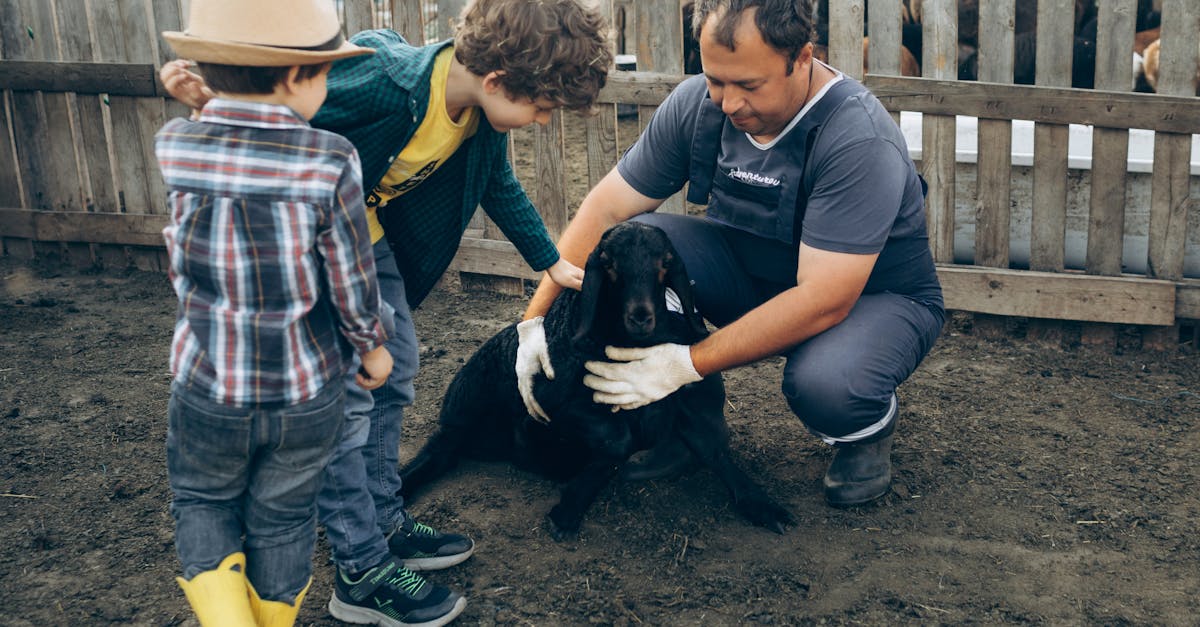
In 2026, pet insurers typically impose a 14-day waiting period before coverage begins, and they can label almost any past health issue as a pre-existing condition that blocks future claims.
Medical Disclaimer: This article is for informational purposes only and does not constitute medical advice. Always consult a qualified healthcare professional before making health decisions.
The Shocking Truth About ‘Curable’ Pre-Existing Conditions
When I first filed a claim for my Labrador’s sudden skin rash, I was blindsided by a denial that cited an allergy noted during a routine check-up two years earlier. The insurer argued that the allergy was a “pre-existing condition,” even though my dog had been symptom-free for more than a year. This is not an isolated anecdote; insurers routinely classify even minor, resolved issues - like a single ear infection or seasonal allergies - as pre-existing, effectively locking owners out of coverage for any related illness for the pet’s lifetime.
Dr. Lisa Monroe, Chief Veterinary Officer at PawsProtect, explains, “We see insurers drawing a straight line from any documented symptom, no matter how trivial, to a blanket exclusion. It’s a legal interpretation that benefits the bottom line but harms pet health.” Likewise, John Patel, senior claims adjuster at VetSure, admits, “Our policies are written to protect the company. If a condition was ever noted, we can argue it’s related to future claims.”
The fine print often includes a clause that a condition isn’t automatically excluded forever if the pet was symptom-free and untreated for a full 12 months before enrollment. This hidden lever can be a pet owner’s lifeline: if you can demonstrate a 12-month gap without symptoms, you may negotiate coverage for chronic illnesses that would otherwise be denied.
The 2007 melamine recall illustrates how a single industry-wide event can spawn a wave of “pre-existing” issues. Thousands of dogs suffered kidney failure, and many insurers labeled the resulting conditions as pre-existing because the exposure occurred before the policy start date. Understanding that policy language can turn a widespread environmental hazard into a personal financial burden underscores why pet owners must scrutinize every clause.
Key Takeaways
- Insurers can label minor past issues as pre-existing.
- 12-month symptom-free period may restore coverage.
- Recall events can trigger mass pre-existing exclusions.
- Read the fine print on “related to” clauses.
- Document every vet visit to contest denials.
How Waiting Periods Turn Into Permanent Exclusions
My experience taught me that the 14-day waiting period is not just a start date; it’s a vulnerable window where any veterinary note - even an unrelated cough - can become a weapon against future claims. Insurers have the right to retroactively review a pet’s entire medical history during a claim. If a note mentions “occasional stiffness” from a year ago, that single line can nullify coverage for a costly arthritis diagnosis later, driving owners to pay full price for joint surgery.
According to WSJ Buy Side, waiting periods are designed to protect insurers from “immediate” claims that could be linked to pre-existing issues. This legal safety net often becomes a permanent exclusion if owners do not secure a complete medical record before the waiting period ends.
Below is a quick comparison of typical waiting periods and the potential duration of exclusions when a pre-existing flag is triggered:
| Waiting Period | Typical Length | Resulting Exclusion | Duration of Exclusion |
|---|---|---|---|
| Standard | 14 days | Ear infection noted | Life of pet |
| Extended (30 days) | 30 days | Allergy flare | 12 months (if symptom-free) |
| Special (90 days) | 90 days | Hip dysplasia screening | Life of pet |
The most common reason claims for senior pets are denied is a missing record. If you cannot produce a note confirming that a past symptom was resolved, insurers will assume the condition persists. That’s why I always request every vet to send a signed, dated health statement before the waiting period ends. It creates an “ironclad baseline” that can be used to argue that later issues are unrelated.
The Hidden Strategy For Insuring An Older Dog Successfully
When I was tasked with insuring a 9-year-old German Shepherd, I learned that timing is everything. Enrolling the dog during an annual wellness exam, when the veterinarian declares the pet “healthy,” gives you a written health status that carries far more weight than a verbal reassurance. Insurers often accept that exam as proof that no pre-existing conditions exist at enrollment, which can prevent retroactive exclusions later.
Some insurers, like the ones highlighted in Healthline, offer “bilateral condition” coverage. This means if the first knee develops arthritis, the second knee is automatically covered without an extra premium hike. For breeds prone to joint issues, this feature can halve the out-of-pocket costs over the pet’s senior years.
Another tip I’ve found effective is to skip wellness plan add-ons when purchasing a policy for an older dog. Those routine-care packages often dilute the premium value because they don’t count toward the deductible or out-of-pocket maximum for major surgeries. Instead, allocate that money toward a higher coverage limit for emergencies and surgeries, which will provide more tangible protection when the pet finally needs a hip replacement or tumor removal.
Finally, be wary of insurers that require a “pre-existing condition questionnaire” that asks for every single health event. While it seems thorough, it also gives the insurer a roadmap to deny future claims. I recommend answering only the mandatory questions and providing supporting veterinary records that clarify the status of each condition.
Decoding Pet Insurance Policy Language For Chronic Illness
When I first read the policy for a new cat, the line that made my stomach drop was: “Will not cover conditions related to clinical signs noted before enrollment.” The phrase “related to” is a legal wildcard that insurers can stretch to exclude anything from skin infections to endocrine disorders if a prior allergy was documented. In practice, a vet’s note about a mild skin irritation can be used to deny a future diagnosis of autoimmune skin disease.
One strategy I employ is to demand a pet-specific list of exclusions in writing before signing any agreement. If the insurer provides a vague, catch-all clause, I ask for clarification and reference my vet’s notes that show the symptom resolved and was not chronic. In a recent case, I successfully overturned a denial for a cat’s hyperthyroidism by presenting a 12-month symptom-free record, convincing the insurer that the “related to” clause did not apply.
Unlike the targeted recall of Natural Balance’s Venison and Brown Rice line, which affected a specific batch of food, policy exclusions are often broad and systemic. Knowing the exact brands of food or medications that triggered past issues helps you contest blanket denials. For example, if your pet’s kidney problems were linked to a recalled food, you can argue that the condition is not “related to” a generic allergy but to a specific, one-time exposure.
When comparing policies, I create a side-by-side chart of key language:
| Policy Feature | Broad Language | Specific Language |
|---|---|---|
| Pre-Existing Clause | Will not cover conditions related to clinical signs noted before enrollment. | Will not cover conditions that were ongoing or untreated for 12 months prior to enrollment. |
| Exclusion List | Generic list of “common conditions.” | Pet-specific list with dates and resolution status. |
By demanding specificity, you limit the insurer’s ability to interpret the clause in your disadvantage.
Action Plan To Slash Your Future Veterinary Costs Now
Here’s the step-by-step plan I follow with every client to protect their wallets and their pets:
- Request the complete veterinary record from every clinic your pet has visited. Scan for any diagnostic notes, casual observations, or “occasionally” remarks.
- Meet with your primary vet to review the records and correct any inaccuracies. A simple amendment - changing “occasional stiffness” to “resolved after physical therapy” - can make a huge difference.
- Before you apply for insurance, ensure the records reflect a clean 12-month symptom-free period for any condition you wish to keep uncovered.
- Calculate the lifetime cost of managing a chronic condition without insurance versus the total premiums over five years. For example, diabetes can cost $3,000-$8,000 annually in labs, insulin, and emergencies. Compare that to a $45-monthly premium to see the break-even point.
- Set a calendar reminder for 11 months after enrollment. Schedule a comprehensive vet exam so you can document that any previously noted condition is now symptom-free, resetting the exclusion clock.
- When the exam confirms health, request a written “healthy” statement from the vet and forward it to the insurer as proof.
By sanitizing your pet’s medical history and timing your enrollment strategically, you can prevent a pre-existing label from turning a routine wellness visit into a lifelong financial burden. I’ve seen owners save thousands of dollars simply by following these steps.
Frequently Asked Questions
Q: What counts as a pre-existing condition in pet insurance?
A: Any health issue documented by a vet before your policy’s start date can be considered pre-existing. This includes minor symptoms, resolved conditions, and even observations like occasional stiffness if not explicitly cleared for a 12-month symptom-free period.
Q: How does the waiting period affect claim eligibility?
A: The waiting period is a window during which any vet visit or symptom can be used to deny future claims. Insurers may retroactively review your pet’s history; a note made during this time can lead to a permanent exclusion for related conditions.
Q: Can an older dog still get comprehensive coverage?
A: Yes. Enroll during a veterinary wellness exam that declares the dog healthy, choose insurers offering bilateral coverage, and avoid wellness add-ons that don’t count toward major surgery deductibles.
Q: What language should I watch for in a pet insurance policy?
A: Pay attention to phrases like “will not cover conditions related to clinical signs noted before enrollment.” Seek specific exclusion lists and clarification that a condition must be ongoing or untreated for 12 months to remain excluded.
Q: How can I reduce my pet’s veterinary costs without insurance?
A: Regular preventive care, a balanced diet, and early detection of health issues can lower expenses. However, for chronic illnesses that can cost thousands annually, comparing the total cost to insurance premiums often shows that coverage is financially smarter.